What is a Healthy Building? How Architecture Protects the Environment and Human Health
The International WELL Building Institute (IWBI) launched the WELL Building Standard in 2014. This medical-research-based design protocol focuses on human-centric principles, addressing the needs of human biological systems through architectural design to enhance spatial comfort.
"The standards for a healthy building encompass 10 key concepts: Air, Water, Light, Nourishment, Movement, Thermal Comfort, Sound, Materials, Mind, and Community."
What is the "WELL Building Standard"?
WELL is the world’s first building certification standard focused exclusively on enhancing human health and well-being through indoor environments. As of September 2020, over 4,400 projects across 63 countries have registered for WELL certification.
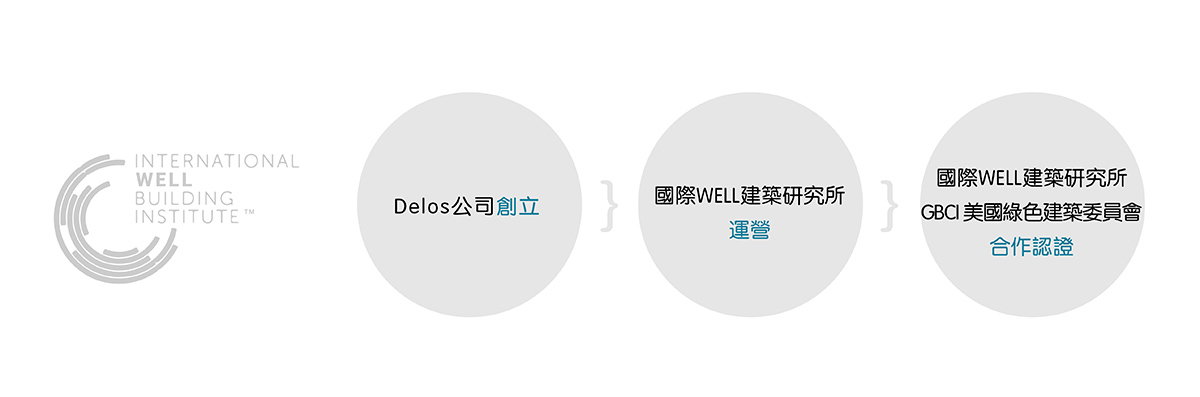
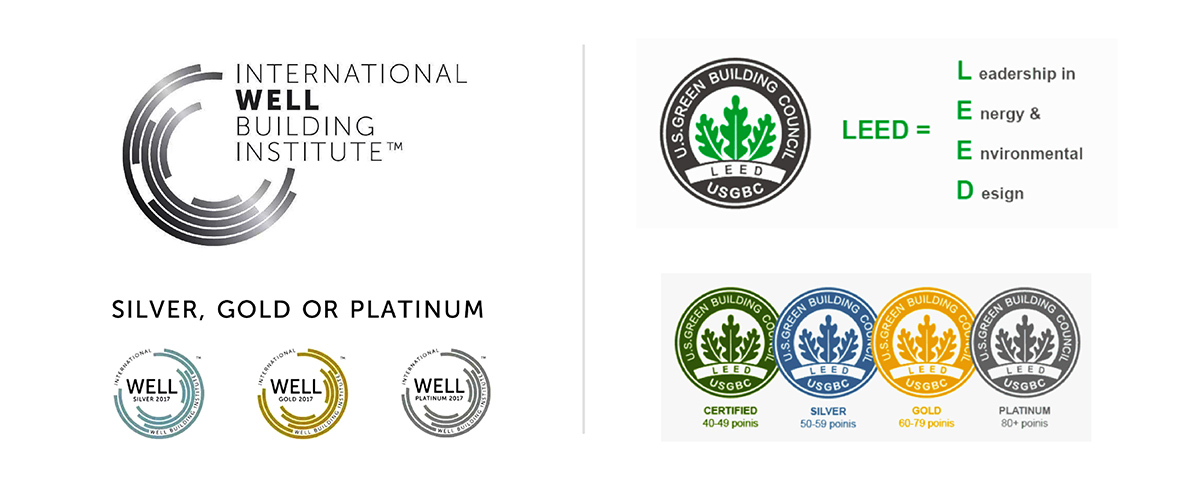
Founded by Delos and managed by IWBI, the standard undergoes third-party certification by GBCI (the same body behind LEED), ensuring impartiality and professional rigor.
The 6 Foundational Principles of WELL V2
WELL V2 emphasizes six foundational principles to adapt to the evolving global landscape:
- Equitable:Provides the greatest benefit to the largest number of people, including vulnerable populations.
- Global:Interventions are feasible, achievable, and relevant across diverse global contexts.
- Evidence-based:Backed by strong, validated research accepted by the scientific community.
- Technical:Draws on industry best practices and consistent disciplinary findings.
- Customer-focused:Incorporates expert input from science, medicine, and design, encouraging stakeholder engagement.
- Resilient:Adapts to technological advancements and integrates new scientific discoveries.

WELL vs. LEED: What is the Difference?
| Dimension | WELL Certification | LEED Certification |
| Core Goal | Focuses on People: health and comfort. | Focuses on the Building: environmental impact. |
| Metrics | Air, Water, Light, Mind, Community, etc. | Energy, Carbon, Water saving, Materials, etc. |
| Positioning | Interaction between indoor environment and human health. | Reducing the negative impact of buildings on the environment. |
Scope of Application: Is it Suitable for Office Planning?
WELL is a performance-based system that redefines architectural standards by exploring the relationship between buildings and the health of their occupants. It addresses residential and workspace health holistically, focusing predominantly on the indoor environment and the lives of those within it. Therefore, its primary emphasis is on "People."
The standard's scope of application includes:
New and Existing Buildings
New and Existing Interiors
Core & Shell
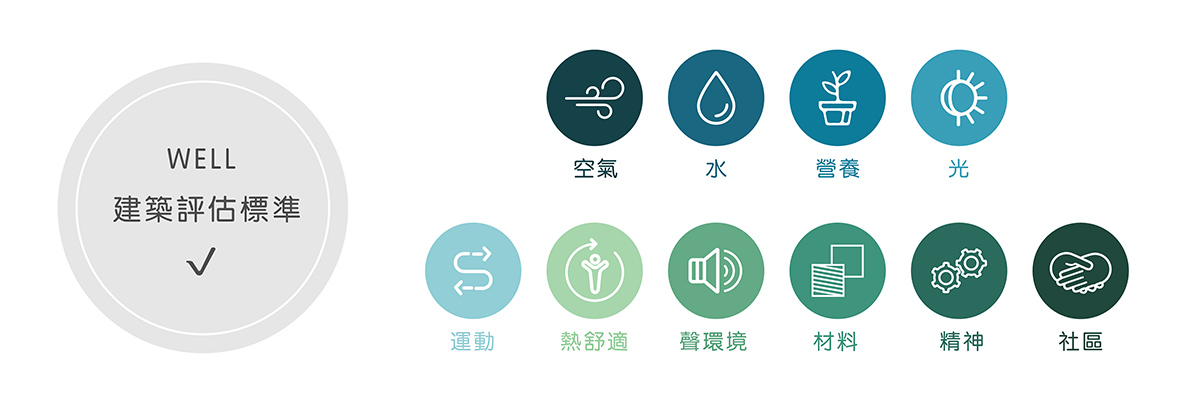
As the first rating system to focus entirely on how buildings affect human health, WELL V2 encompasses ten concepts: Air, Water, Nourishment, Light, Movement, Thermal Comfort, Sound, Materials, Mind, and Community. Based on six foundational principles, the standard does not set a total score; instead, it awards Silver, Gold, or Platinum levels based on the number of preconditions and optimizations met.
In the post-pandemic era, health has become a top priority across all sectors, especially in office spatial planning. WELL certification provides enterprises with a focused framework to evaluate healthy buildings and create truly healthy workspaces.
Content provided and compiled by: AURORA Furniture / RiA Environmental Technology Co., Ltd.