
Essential Renovation Knowledge: Do Not Overlook the Dangers of Formaldehyde
During office or home renovations, there is always a concern about excessive formaldehyde emissions from building materials.
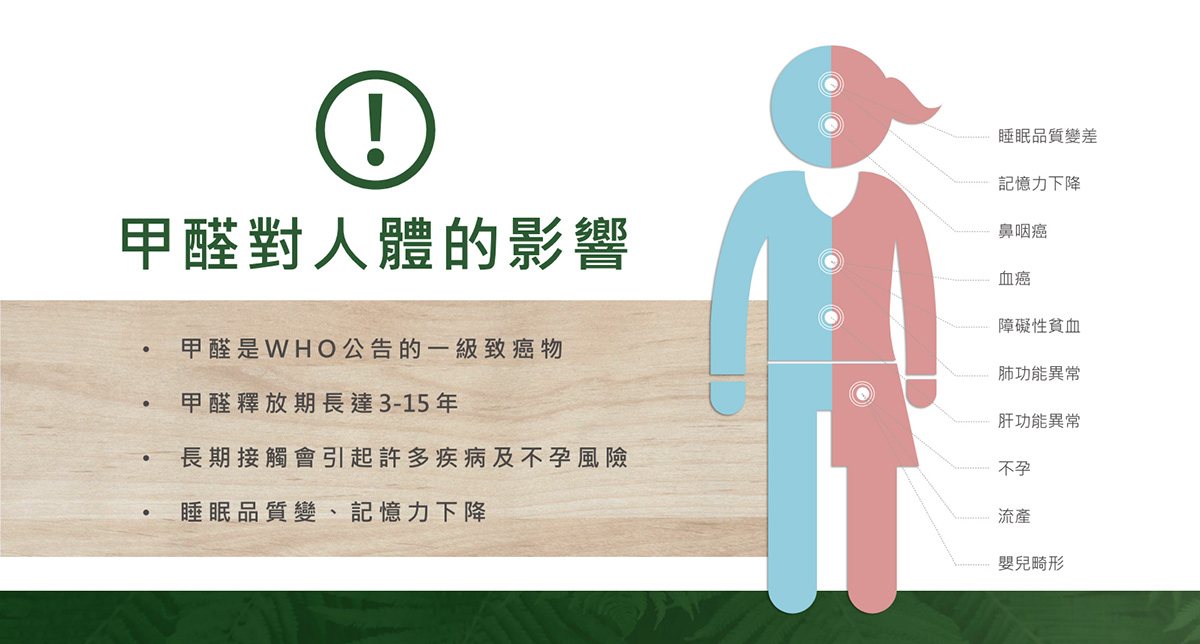
Due to enclosed spaces and poor ventilation, indoor pollutant concentrations can be 2 to 5 times higher than outdoors. Long-term exposure to high levels of formaldehyde can cause respiratory and skin issues, and in severe cases, affect the nervous system or increase cancer risks.
To safeguard employee health and well-being, enterprises should prioritize products with low Volatile Organic Compounds (VOCs).
What is Formaldehyde?
Formaldehyde is a colorless, pungent Volatile Organic Compound (VOC) commonly found in synthetic resins and plastics used in renovations. The World Health Organization (WHO) classifies it as a Group 1 Carcinogen. With a release period lasting 3 to 15 years, its long-term health risks cannot be underestimated.
AURORA Furniture’s Formaldehyde Removal Services
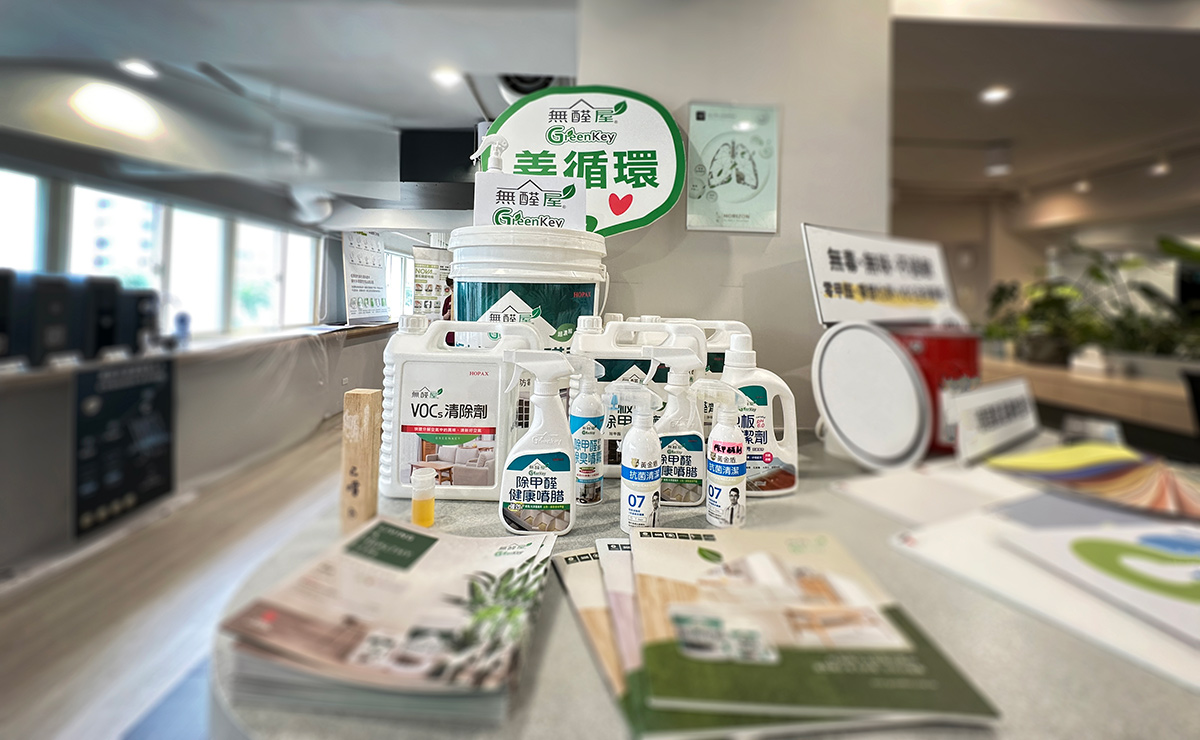
Office renovation processes, especially carpentry and painting, generate formaldehyde pollution—over 80% of which comes from wood battens and plywood. AURORA Furniture collaborates with Greenkey to actively decompose formaldehyde into water molecules using advanced natural chitin technology.
Three Solutions
|1 ▪ Pre-renovation Treatment
Applying a specialized decomposer to unfinished boards creates a protective layer that neutralizes formaldehyde for up to 25 years.
|2 ▪ Formaldehyde Testing
Professional testing instruments provide precise concentration data before and after treatment.
|3 ▪ Post-renovation Treatment
Tailored products like healthy spray wax, antibacterial sprays, and wood essential oils for finished furniture and various surfaces.
※Interested in knowing if your products are compatible with Greenkey's formaldehyde removal service? Please leave your details on our message board, and we will provide you with a professional assessment!
Formaldehyde Standards and Regulations
According to the Indoor Air Quality Act by the Taiwan Environmental Protection Administration (EPA), the average hourly formaldehyde level must not exceed 0.08ppm.
※ Indoor Air Quality Standards
| Item | Standard Value | |
| CO2 | 8-hour average | 1000 ppm |
| CO | 8-hour average | 9 ppm |
| HCHO | 1-hour average | 0.08 ppm |
| TVOC(includes 12 types of VOCs) | 1-hour average | 0.56 ppm |
| Bacteria | Maximum value | 1500 CFU/m3 |
| Fungi | Maximum value | 1000 CFU/m3 (This limit does not apply if the indoor-to-outdoor concentration ratio is ≦ 1.3) |
| PM10 | 24-hour value | 75 μg/m3 |
| PM2.5 | 24-hour value | 35 μg/m3 |
| O3 | 8-hour average | 0.06 ppm |
※ Formaldehyde Concentration & Health Impacts
| Concentration | Health Impacts & Perception |
| 0.08ppm | Odorless and imperceptible |
| 0.5ppm | Eye irritation |
| 0.8ppm | Noticeable odor |
| 5ppm | Throat discomfort |
| 15ppm | Onset of coughing |
| 20ppm | Respiratory system irritation |
The WELL Building Standard sets a stricter threshold for formaldehyde at 50 ug/m3 or lower. Beyond concentration management, it encourages the installation of indoor air monitors to enhance air quality transparency.
For spatial planning, healthy environments, and ESG solutions, AURORA Furniture provides professional consultation. Contact us to build a healthy and sustainable workspace together.