As a long-term practitioner in office design, one of the most anticipated annual readings is the "Design Forecast" released by Gensler. The 2026 edition spans 33 industries and summarizes six core trends, pointing to a clear conclusion: the office is no longer just a container for work, but a physical platform for corporate culture, talent relationships, and innovative energy.
Experience and Relationships are the True Currency of Office Space
Gensler first points out that the key to a place people visit repeatedly is not its scale, but whether it can provide an immersive experience of "narrative connection, moments of delight, and emotional transformation." This insight for office space planning is profound—designers must treat the "employee journey" as the core product. Every touchpoint, from the first impression at the entrance and the collaborative tension in meeting rooms to the relaxation moments in afternoon corners, accumulates into an emotional memory of the corporate culture. Meanwhile, Gensler emphasizes that a workplace revolution has begun: enterprises are updating office designs with unprecedented intensity, aiming to make physical space a "concrete manifestation" of the organization's commitment to employees—a daily strategic asset to attract talent, inspire innovation, and strengthen identity with corporate culture. Efficiency-per-square-foot thinking must give way to experience-driven thinking, and the designer's role has elevated from "space configurator" to "organizational relationship designer."
Agility, AI, and Hybrid Functions: Redefining the Underlying Logic of Office Planning
Facing cost fluctuations and policy uncertainty, Gensler defines "Agility" as the core capability of office planning: Digital Twin technology allows design teams to troubleshoot in advance in virtual environments, and data-driven decision models assist enterprises in real-time configuration adjustments. AI is positioned as a "creative force" rather than an efficiency tool—it reveals hidden patterns of space usage and assists in rapid prototyping of multiple scenarios, allowing enterprises to take the lead in an era where "innovation defines success." Regarding space types, the "hybrid-use" trend is also spreading to the corporate sector: more headquarters are moving toward the HQ-plus model, integrating work, R&D, exhibition, and community activities. The office no longer just serves employees but is also a field to showcase brand power externally. Finally, Gensler states that sustainable resilience is the baseline: non-resilient assets will become liabilities, and maintainable, reconfigurable interior systems and furniture layouts will directly affect ESG performance and asset lifecycles.
From Trends to Implementation: The Practice Path of AURORA Furniture and AURORA Interior Design
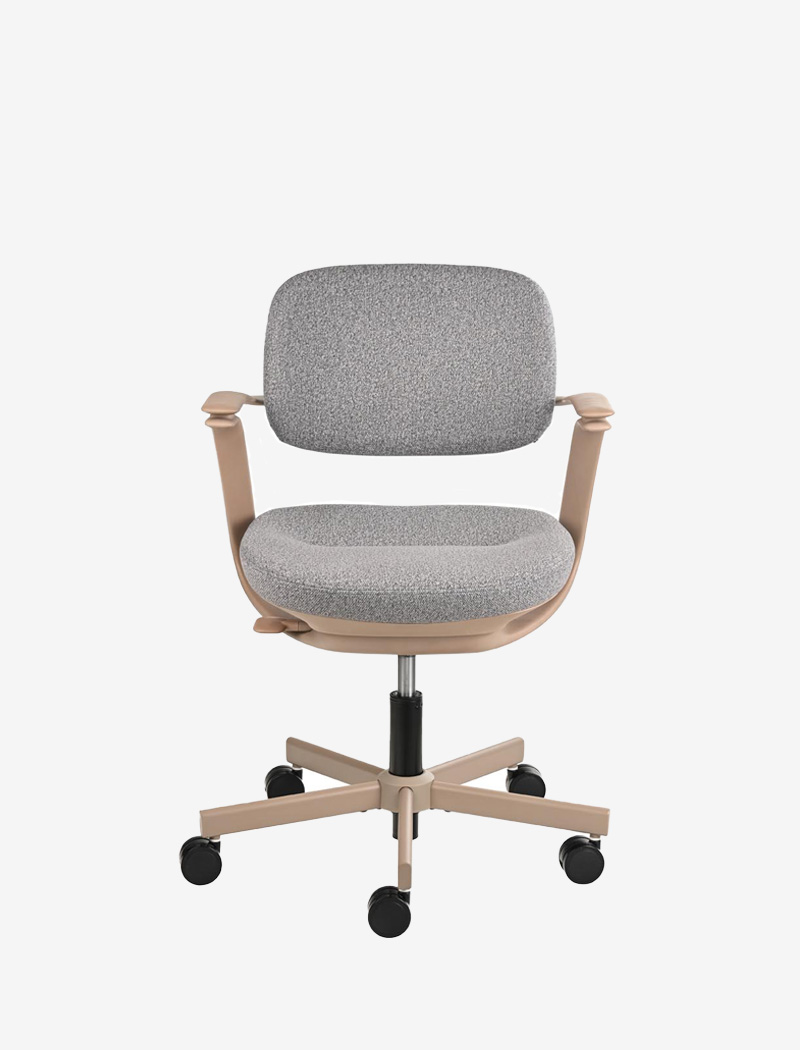
The office space design service experience accumulated by AURORA Furniture and AURORA Interior Design is precisely the strength to translate the six major trends into actionable spatial grammar. At the product level, the FAYLAN multi-functional chair, with its "same series, cross-scenario" design philosophy, allows one chair to move seamlessly between work areas, reception areas, discussion areas, and leisure areas. Equipped with a 5° flexible forward-tilt structure, cloud-feel cushion, and ErgoMag™ dynamic tracking system, it introduces a warmer material vocabulary and a lifestyle-oriented sense of hospitality without sacrificing ergonomic support, echoing the current "Resi-mercial" fusion trend in office design. The ACTIVA system follows the logic of "defining activities first, then configuring spatial modules," materializing the five work modes of Focus, Collaborate, Learn, Socialize, and Relax into flexibly reconfigurable spatial scenes. When organizational scale or hybrid work ratios change, "switching scenes" can replace "re-renovating," which highly aligns with the agility principle emphasized by Gensler.
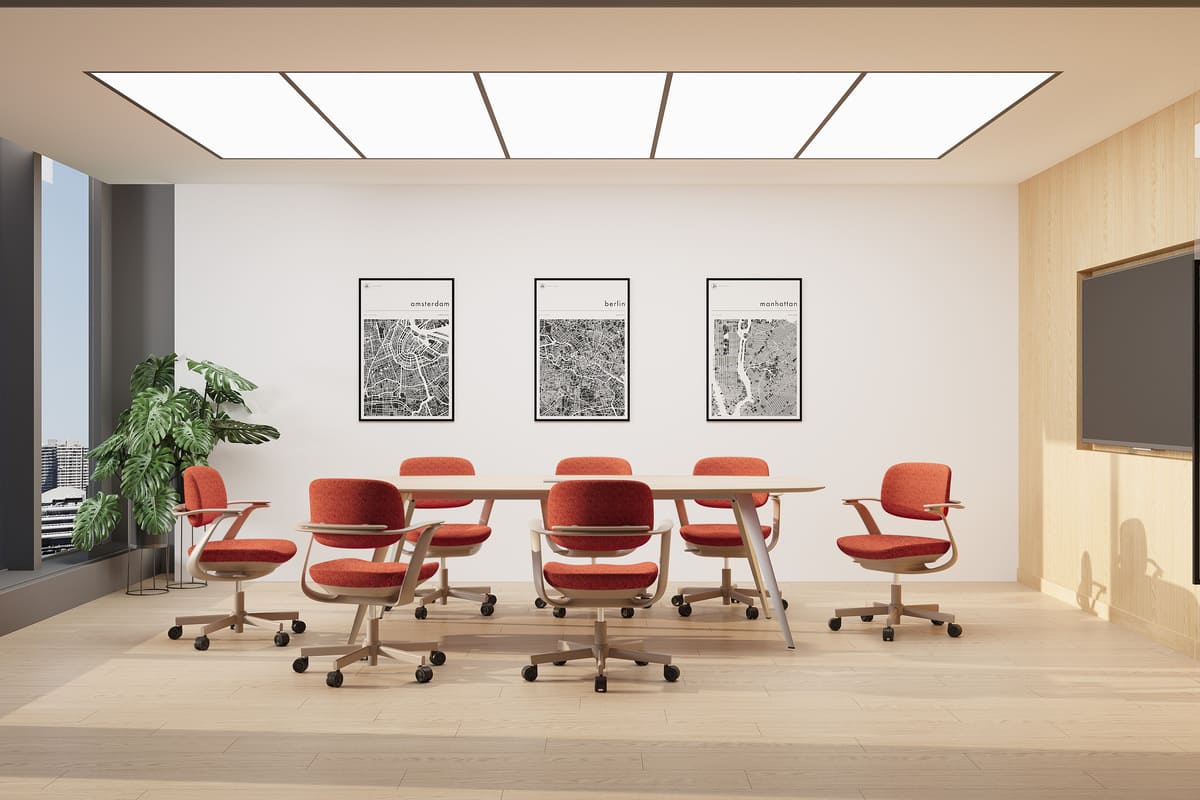 The FAYLAN chair seamlessly integrates into work, social, and relaxation settings with a consistent design language.
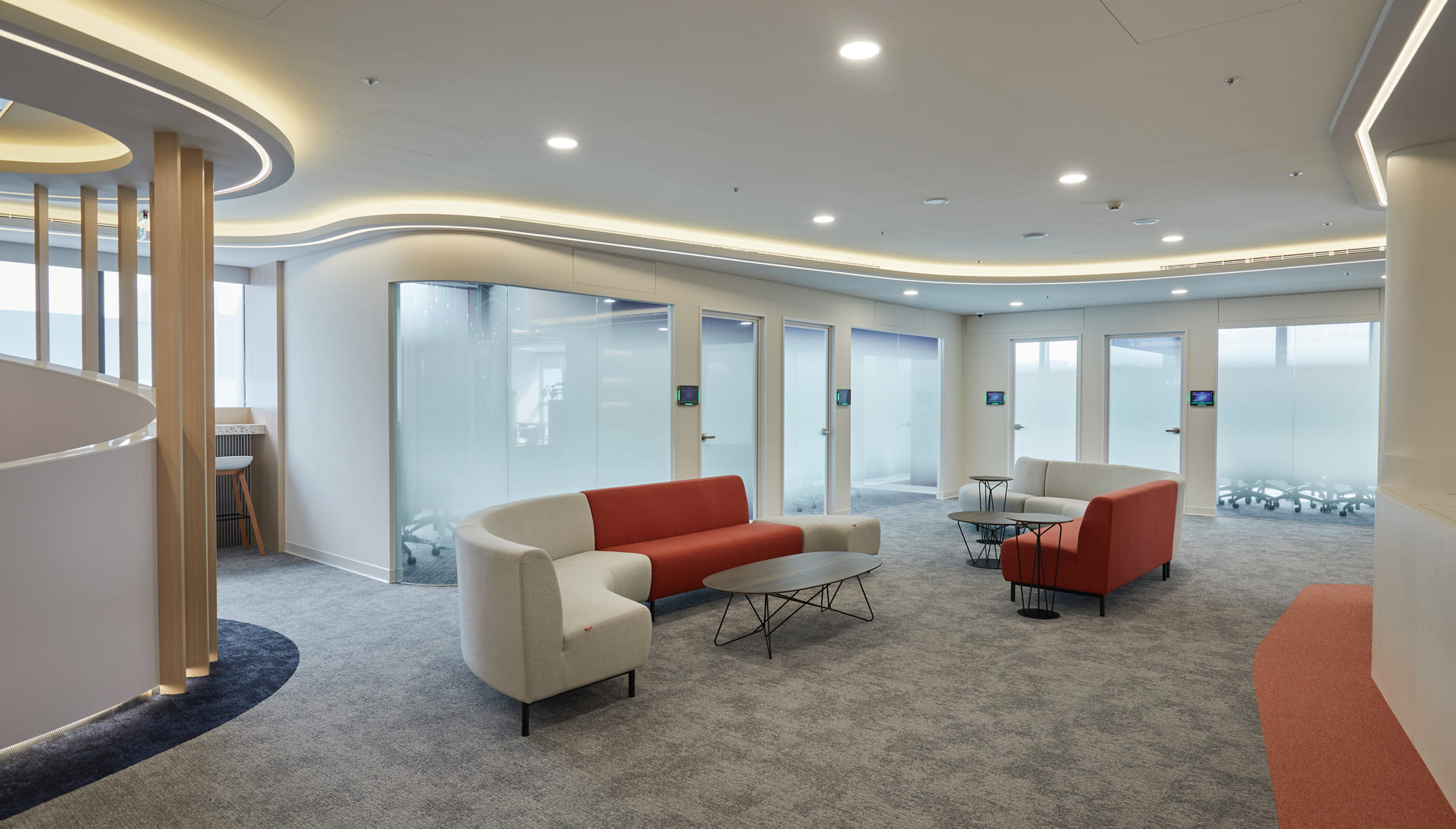
In actual cases, the DuPont office uses large areas of glass partitions and fluid circulation to break physical boundaries, with low-saturation earth tones building an immersive collaborative atmosphere, transforming the office from "accommodating work" to an experience field that "triggers connection." The WPG Holdings office demonstrates data-driven delivery depth, from personalized lighting designs embedded in desk screens to a smart meeting center integrating cloud booking and electronic whiteboards, ensuring every decision in office space planning is based on user behavior. The Taipei Showroom "NEXt-WORK" materializes all the above into a visitable and experiential template of office behaviors, integrating eco-friendly materials, furniture recycled from renovation waste, and co-creation with cross-border partners, ensuring that trends do not stop at design language but become the starting point for corporate procurement decisions.
From Trends to Relationships: Space is the Means, Talent is the Purpose
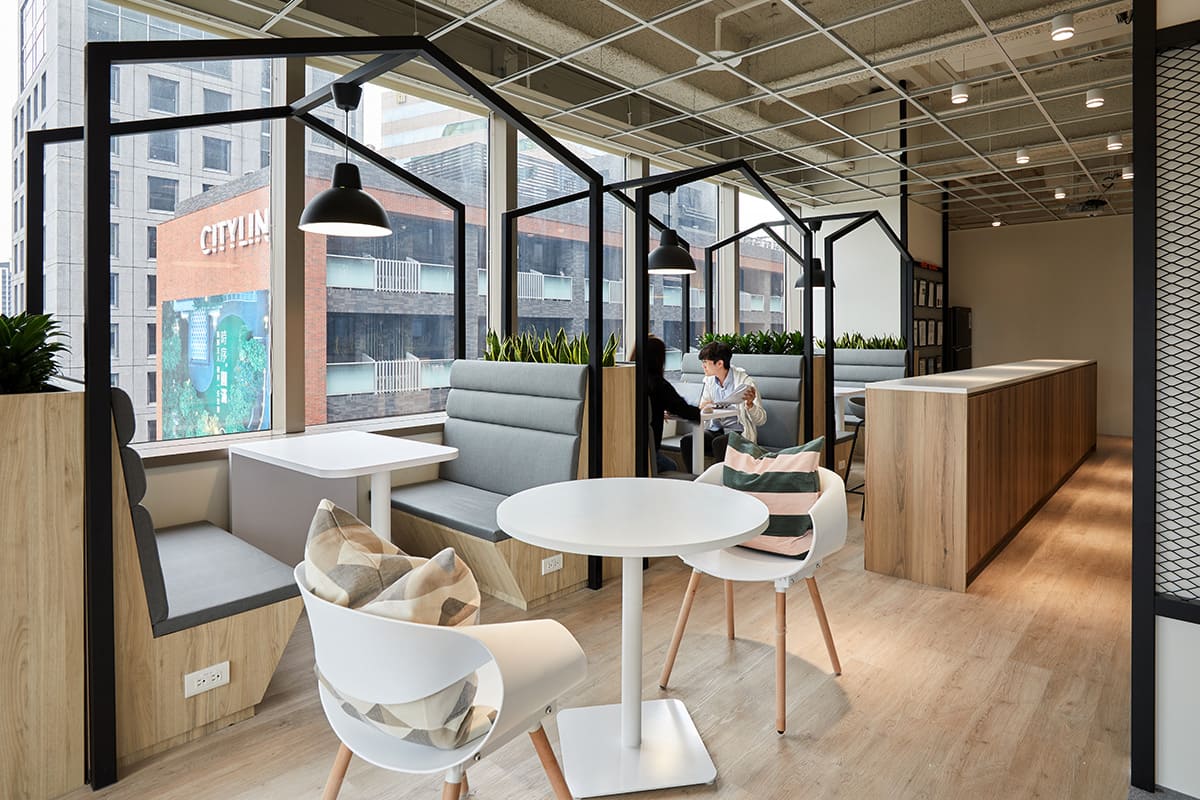
A comprehensive look at Gensler's six trends ultimately points to a core: the success or failure of an office depends on whether it can become a "relationship platform" between people, between people and the organization, and between people and purpose. For corporate decision-makers, now is the critical moment to re-examine office planning strategies—not to keep up with trends, but to ensure every square meter truly serves people, making space a place where the organization's future competitiveness is accumulated.
※ For workspace planning, efficient office proposals, or office space solutions, AURORA Furniture offers consultation and planning schemes. Please leave a message on the board below or call our customer service hotline at 0809-068-588 for dedicated assistance.