 (Image Source:workspace-paris.com)
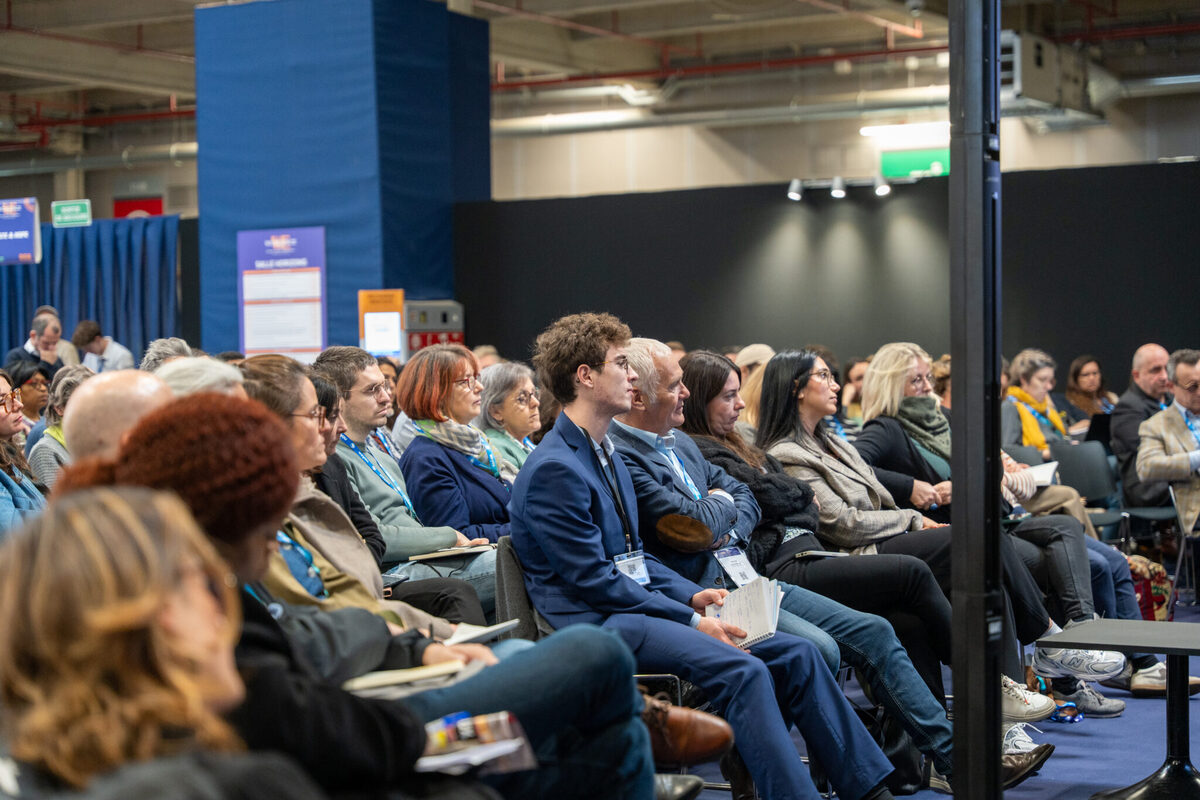
"WORKSPACE Paris" (officially known as Workspace Expo) is Europe's leading exhibition for office furniture and workplace design. In recent years, it has become a vital global benchmark for office space planning, furniture design, and workplace innovation.
WORKSPACE Paris is not merely a showcase for new office furniture; it is a key indicator for European office furniture and spatial design, serving as an experimental field that deconstructs "hybrid workspaces" and "office design" into procurable modules.
The core of the 2026 exhibition reveals that silent pods and micro-spaces have evolved beyond the definition of "soundproofing" toward intelligent operation. The circular economy is no longer just advocacy language in sustainability reports but has landed as concrete delivery solutions such as second-hand, remanufactured, and rental options. Discussions on Flex Office modularity have extended from seat sharing to locker management, security control, meeting furniture, and rapid spatial reconfiguration. Simultaneously, the discourse on health and well-being has expanded from ergonomic chairs to lighting environments, emotional regulation, resilience design, and inclusivity considerations. Furthermore, the "Hospitality" design vocabulary has formally entered the core narrative of office spaces—assigning a new design proposition: how to make people want to go, rather than being forced to go.
This article summarizes six trend signals and proposes three pillars for corporate decision-making in office design: Ergonomics, Modularity, and Low-carbon Materials.
║Recommended for:
Corporate Decision Makers or Procurement Managers — Understand trends to support internal adjustments or ESG strategies.
Space Planners and Consultants — Align with international interior design trends to provide comprehensive planning solutions.
Signal 1 | Acoustics and Micro-spaces: The Infrastructuralization of Hybrid Workspaces
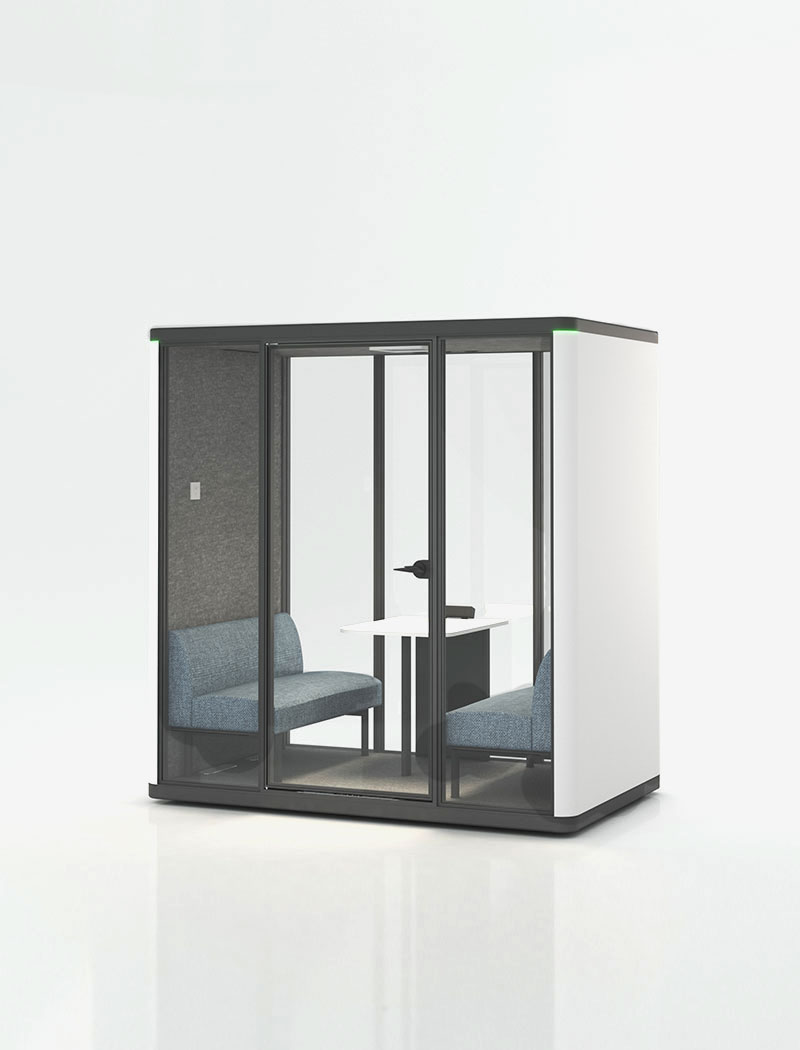
At this year's exhibition, the high-density layout of silent pods occupied nearly 10% of the booths, indicating that the supply logic of "plug-and-play quiet spaces" has been upgraded from optional items to essential office infrastructure. More significantly, the evolution of silent pods has expanded from the single technical indicator of "sound insulation coefficients" to a multi-dimensional evaluation system encompassing privacy control, air quality, digital operations, delivery speed, and Total Cost of Ownership (TCO).
Case Examples: Framery integrates occupancy detection and remote firmware updates; Blabla Cube showcases smart glass for instant privacy control; Work With Island utilizes recycled denim as acoustic material. From "soundproofing" to "smart nodes," acoustic micro-spaces are becoming measurable and maintainable infrastructural units in office design.
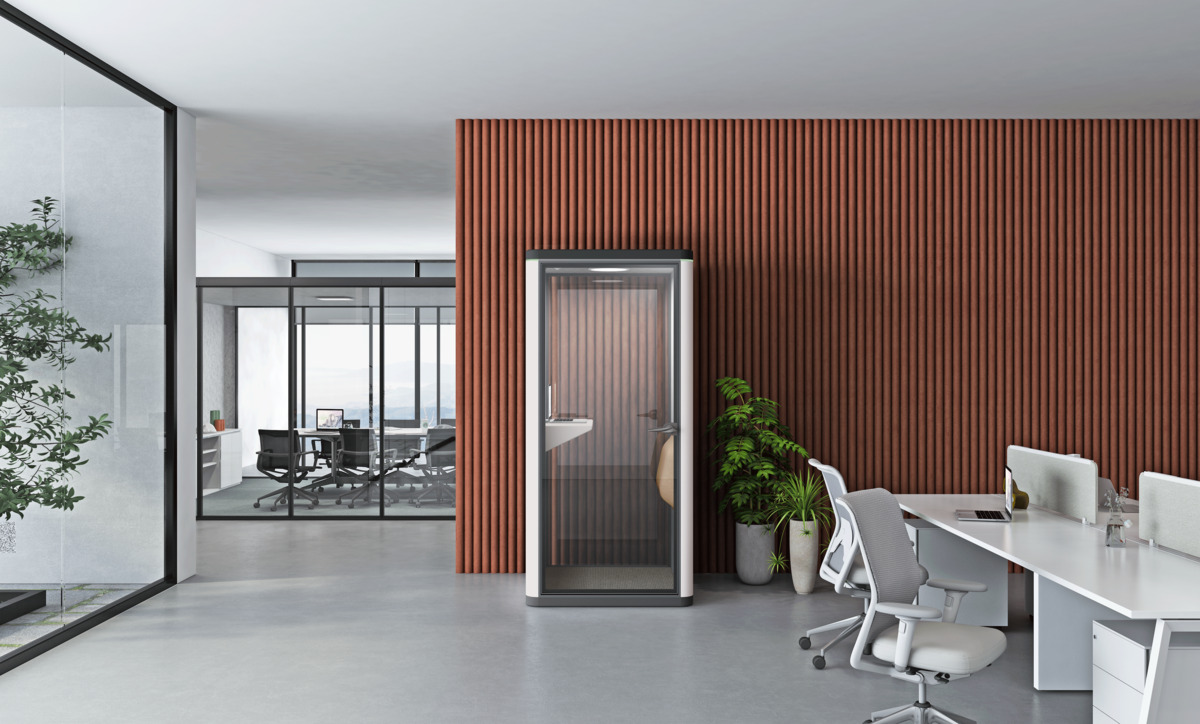 With the rise of acoustic micro-spaces, Halo silent pods have been upgraded to essential infrastructure for hybrid offices.
Signal 2 | Circular Economy: Moving to the Main Stage as Procurable Solutions
WORKSPACE Paris officially listed "sustainability and upcycling" as a key narrative for 2026. This shift is closely related to France's "AGEC Law" (Anti-Waste and Circular Economy Law), which mandates targets for reused and recycled materials in public procurement. This has elevated "remanufacturing/reuse" from a CSR bonus to a compliance requirement. Brands like Vitra and Haworth, along with professional suppliers, have transformed circular materials and remanufactured solutions into deliverable specifications supported by a complete supply chain.
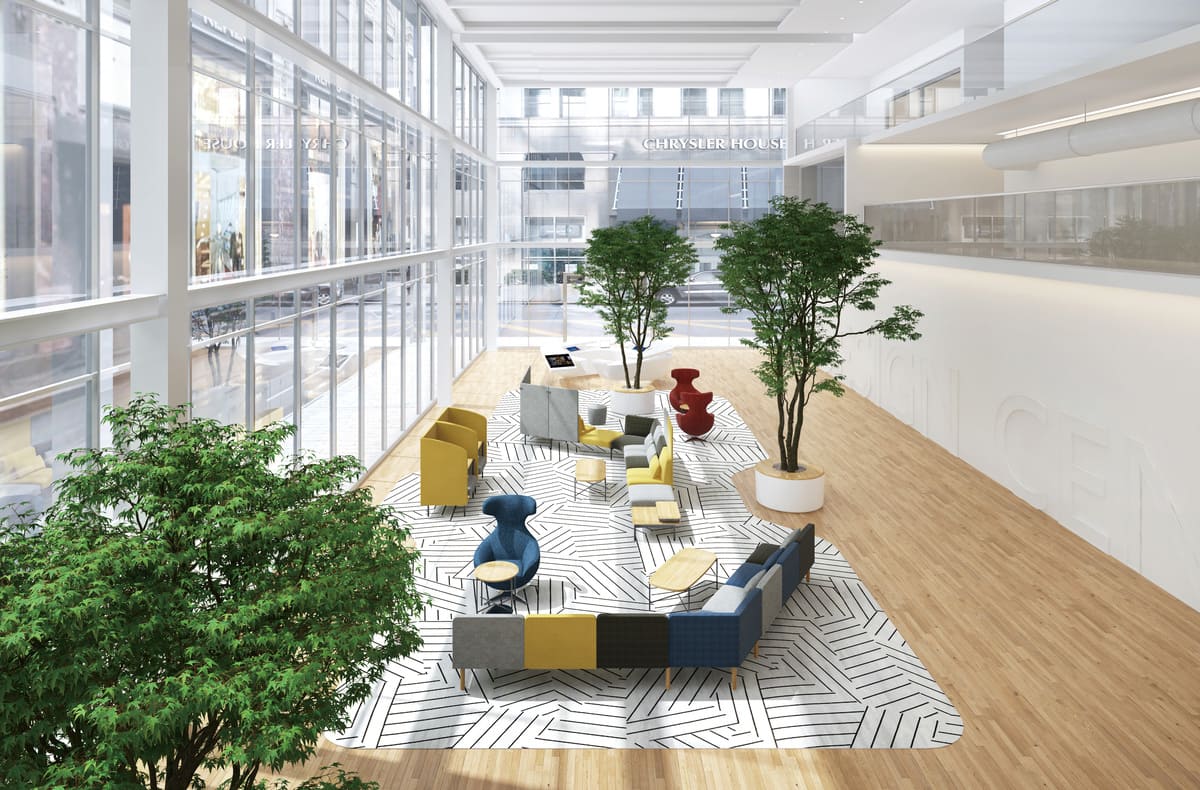 Through modular circular design and the application of sustainable materials, AURORA Furniture extends furniture value to create more resilient sustainable asset management solutions.
Signal 3 | Flex Office Modularity: Expanding from Seating Logic to Storage and Meeting Furniture
Addressing resistance to returning to the office, such as the "lack of small meeting rooms," rapidly deployable micro-space modules have become mainstream. The logic of modularity now extends to the "management of shared order for personal belongings.""Smart Lockers" supporting PIN, mobile, and RFID access correspond to the implementation of Flex Office and Clean Desk policies. Meeting furniture like "POPPYNS," featuring a single-leg structure, signifies that meeting tables are no longer fixed spatial anchors but flexible elements for rapid reconfiguration.
Signal 4 | Health and Well-being: From Ergonomic Chairs to Light, Emotion, Inclusivity, and Resilience
The agenda included "Inclusivity, QVCT (Quality of Life in the Workplace), Emotion, and Senses" in official forums. The definition of health now far exceeds "a better chair." For instance, "Cumulux" uses circadian lighting to rebuild biological clocks, while "Nap&Up" focuses on nap and physical/mental recovery spaces, showing that "recovery" is being productized as part of office services. Dynamic ergonomics and active office cases support the design claim of "bringing movement back to the daily work routine."
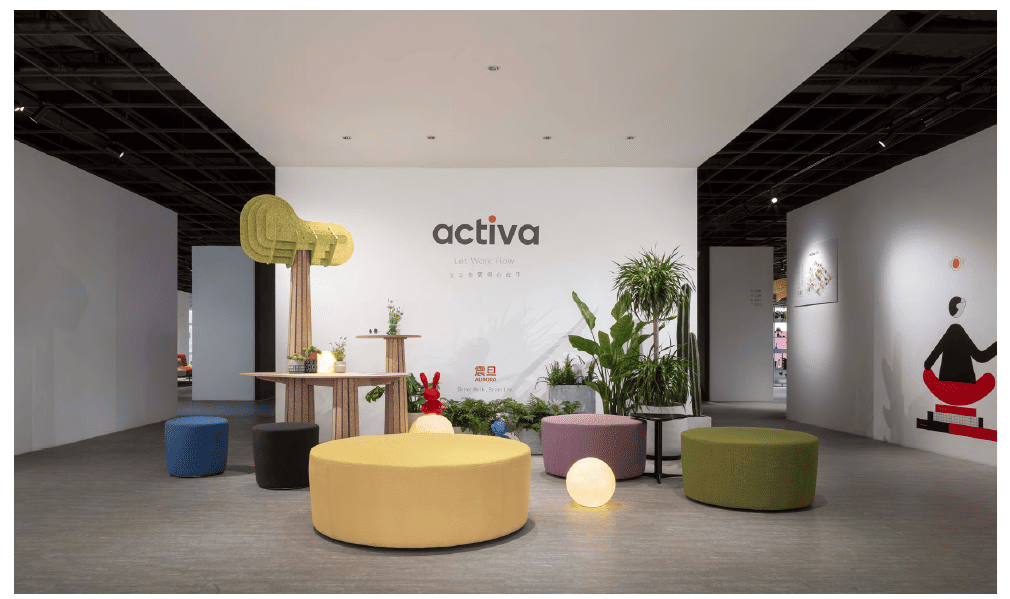 Shaping the office environment and caring for employees' physical and mental health have become major propositions in office design.
Signal 5 | Hospitality-driven: The Design Proposition is "Making People Want to Go"
Under the theme "Feels Like Home," the exhibition points out that the boundaries between home, office, retail, and hotel spaces are blurring. "Making spaces attractive" has become a core strategy. The Gensler Global Workplace Survey emphasizes the irreplaceable nature of interpersonal connection, meaning office design must provide experiences unattainable at home to truly become a place employees choose to go.
Signal 6 | Color, Neuroscience, and "Design Decision Tooling"
"Sedus,"using its color decision tools and the"Limbic Office®" framework (based on neuroscience), systematically links color, function, and user profiles. This marks a shift in the role of color from "aesthetic preference" to a "verifiable and deliverable" strategic tool. Color is no longer a subjective judgment but a design language that enters proposal logic and supports decision-making communication.
 (Image Source:workspace-paris.com)
Translating Trends: Constructing Next-Generation Office Scenarios for Employee Return
The greatest message from WORKSPACE Paris is: "Trends are being assembled into replicable supply chains." For integrators, roles require two levels of upgrades: first, upgrading hardware into "maintainable, rapidly deployable office infrastructure kits"; and second, transforming low-carbon materials and remanufacturing processes into "circular delivery specifications."
AURORA Furniture and AURORA Interior Design provide full-link support from products and construction to operation and recycling. AURORA promises more than just the delivery of furniture; it assists enterprises in finding the "reason to return to the office" and constructing "standards for next-generation office scenarios."
※ For workspace planning, efficient office proposals, or office space solutions, AURORA Furniture offers consultation and planning schemes. Please leave a message on the board below or call our customer service hotline at 0809-068-588 for dedicated assistance.